Facebook Twitter Instagram Tik-tok Youtube Telegram
Best offer!
Sign up for FREE Electricity
  • Our Offerings
    • Homes
    • Commercial
    • Housing Societies
  • Solar Solutions
  • Solar Pro
  • Blog
  • Contact us
  • About us
  • Subsidy
  • More
    • Our Presence
    • Gallery
    • Careers
    • Webinars
  • Our Offerings
    • Homes
    • Commercial
    • Housing Societies
  • Solar Solutions
  • Solar Pro
  • Blog
  • Contact us
  • About us
  • Subsidy
  • More
    • Our Presence
    • Gallery
    • Careers
    • Webinars

Homes

Housing Society

Commercial

Kilowatt Solar

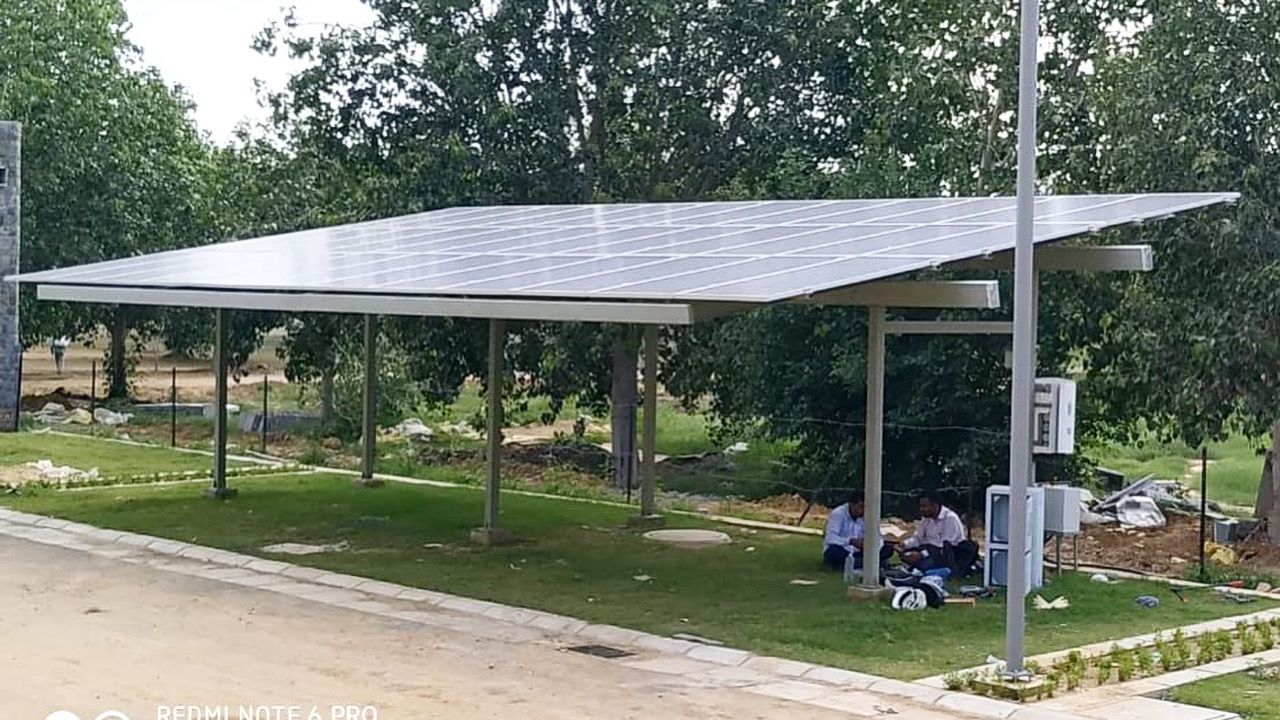
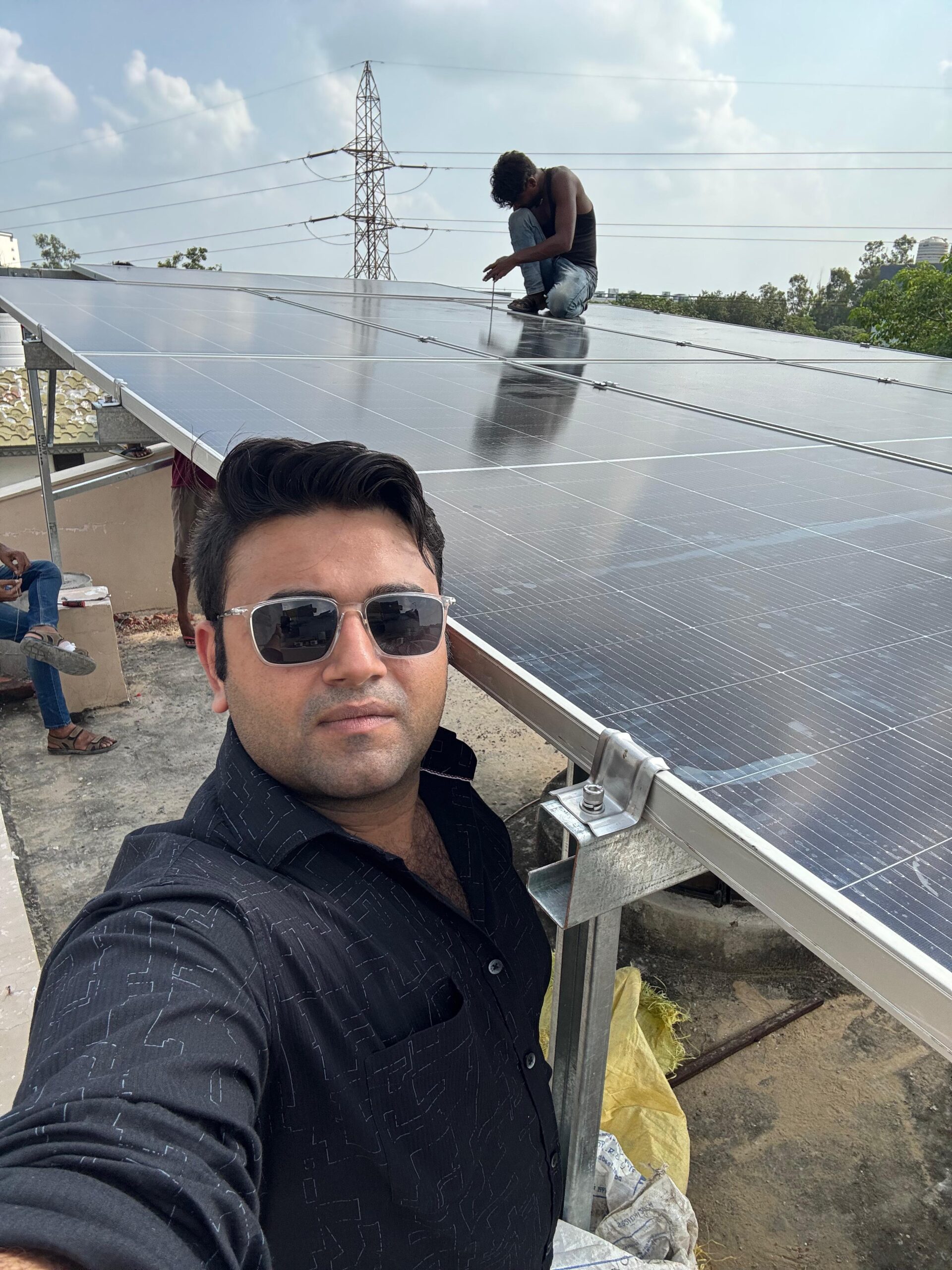
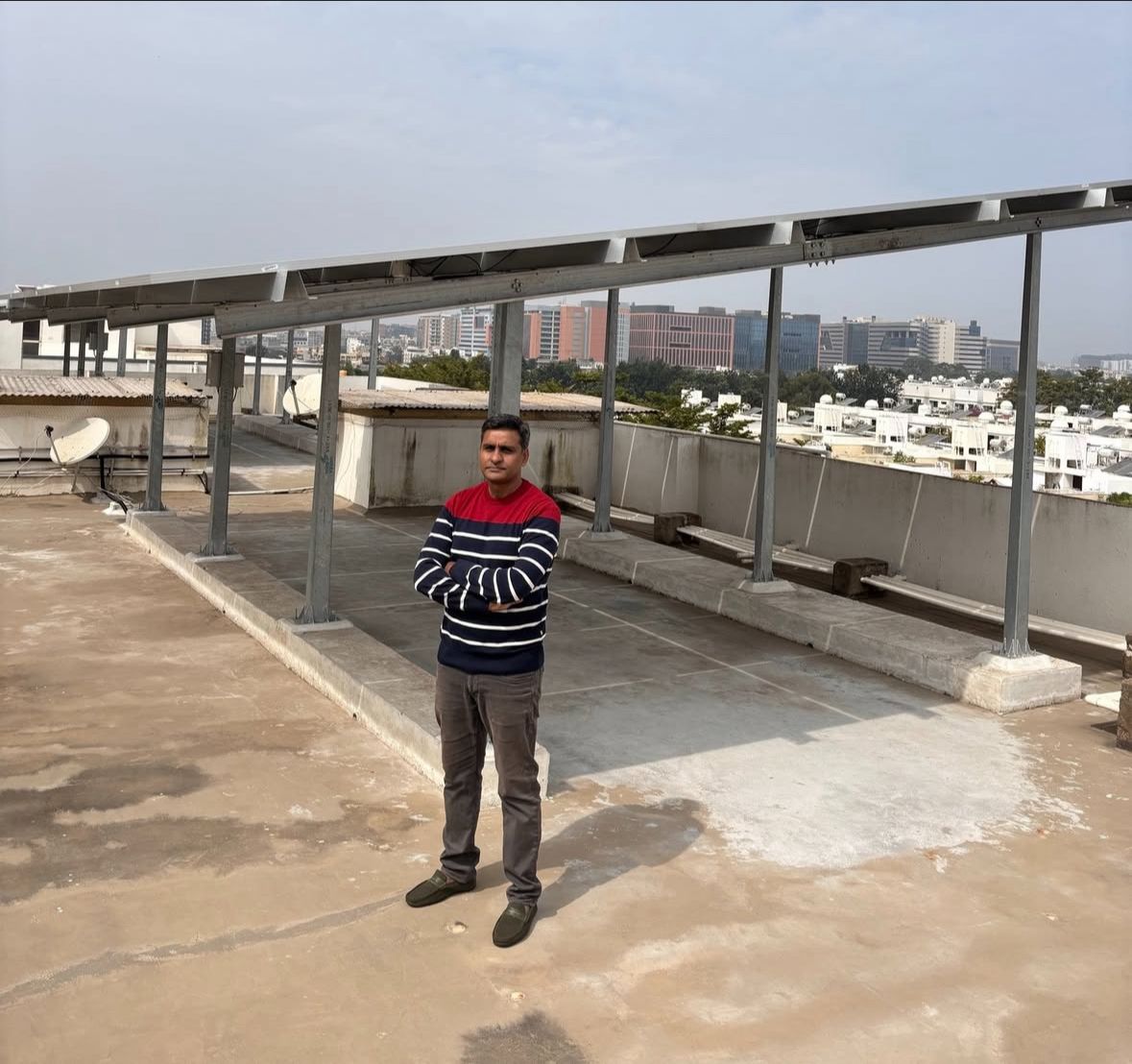
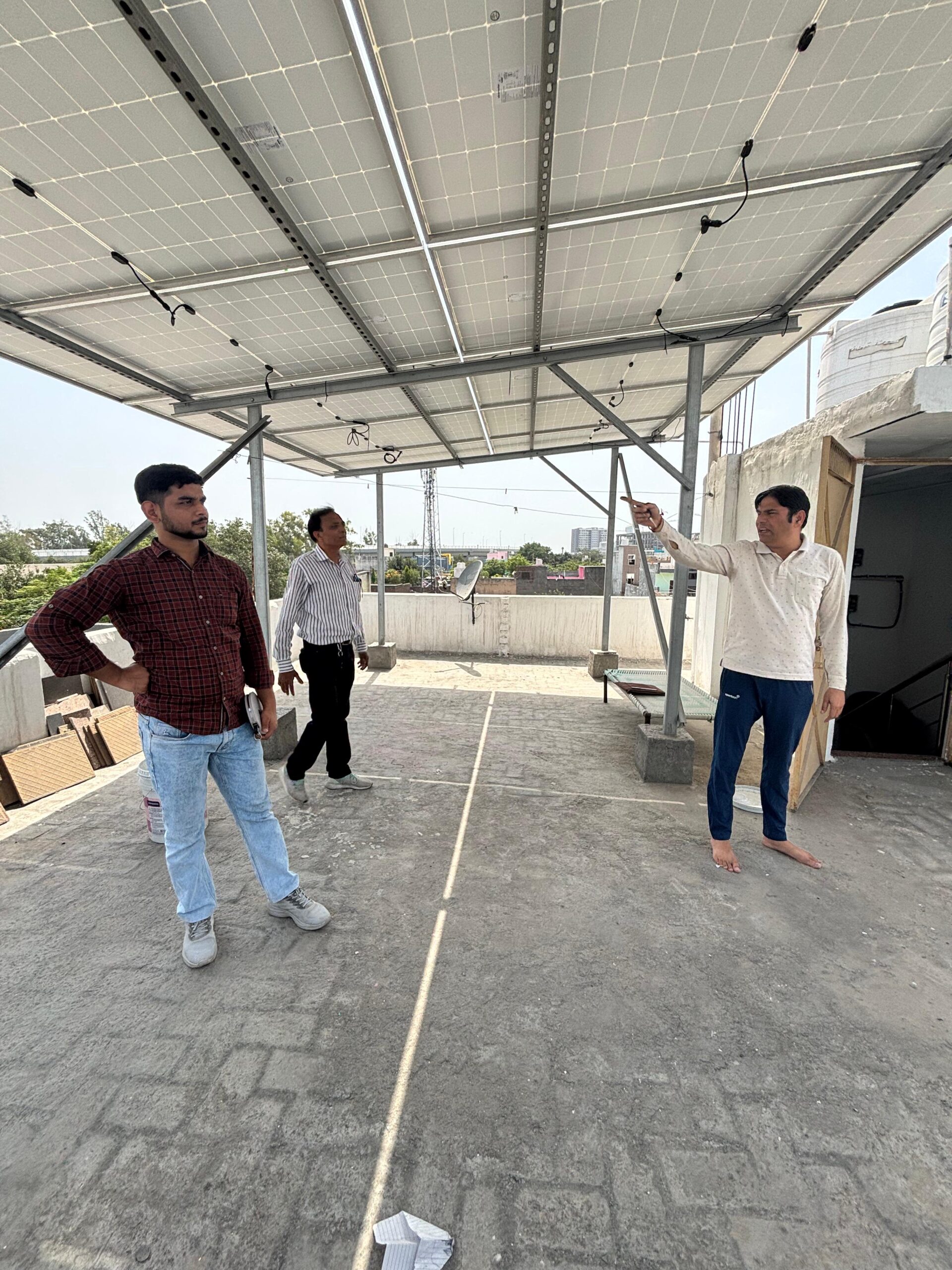
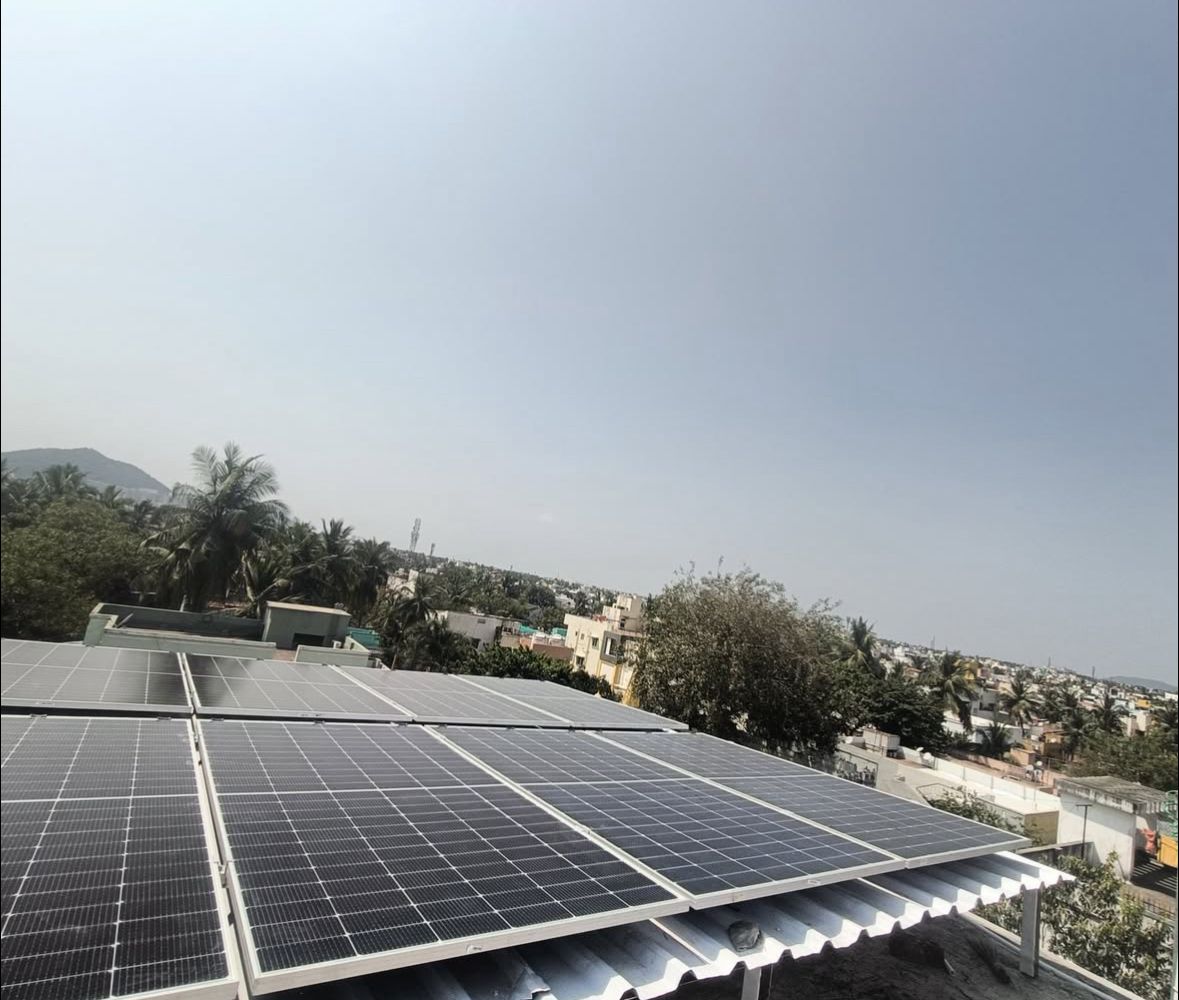
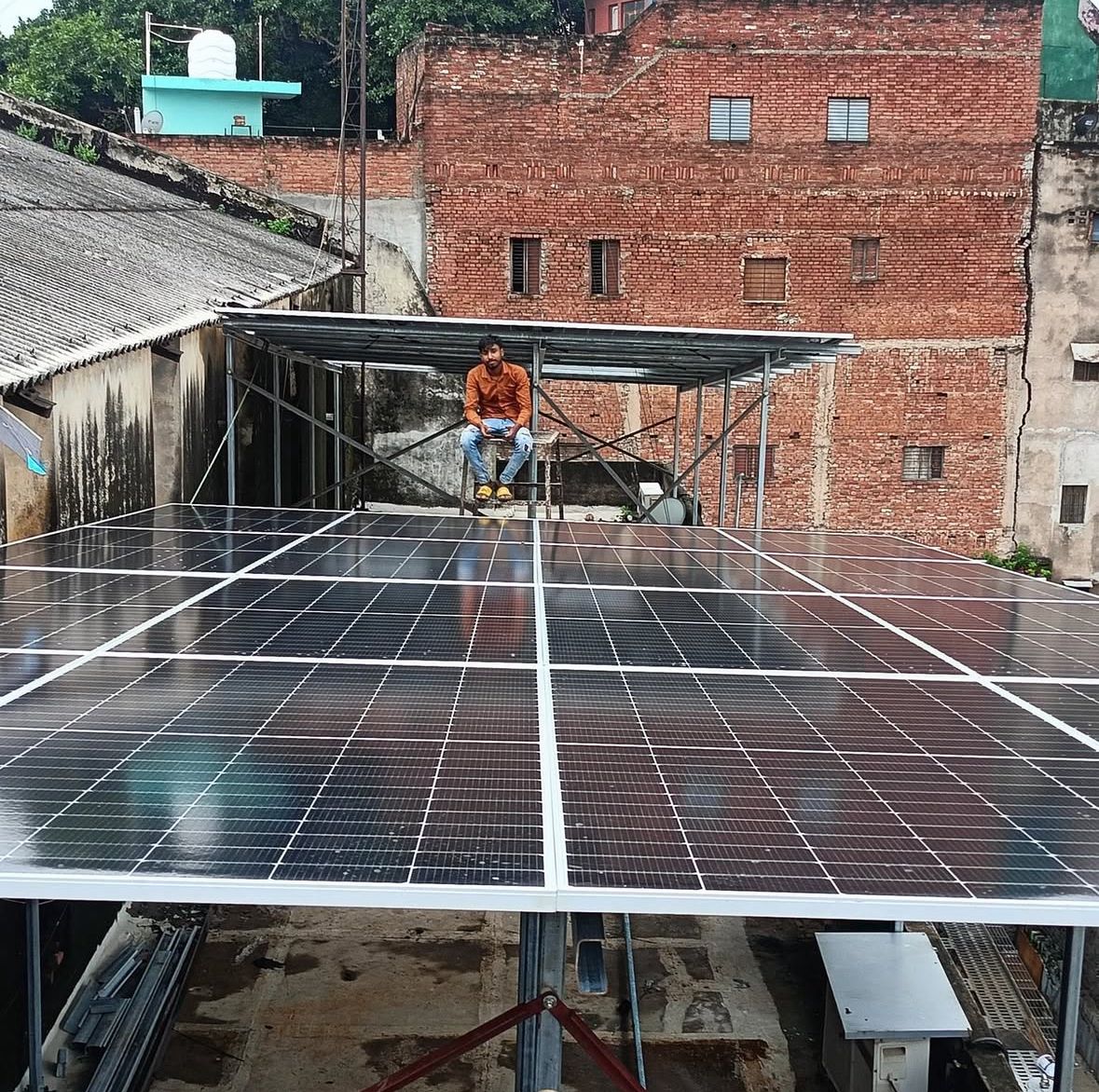
Founded in 2019 by Bhawanshu Sharma, Kilowatt Solar is dedicated to making solar energy accessible and affordable across India. We’ve brightened over 10,000 residences and 100 housing societies with sustainable energy solutions.

Our core services include:

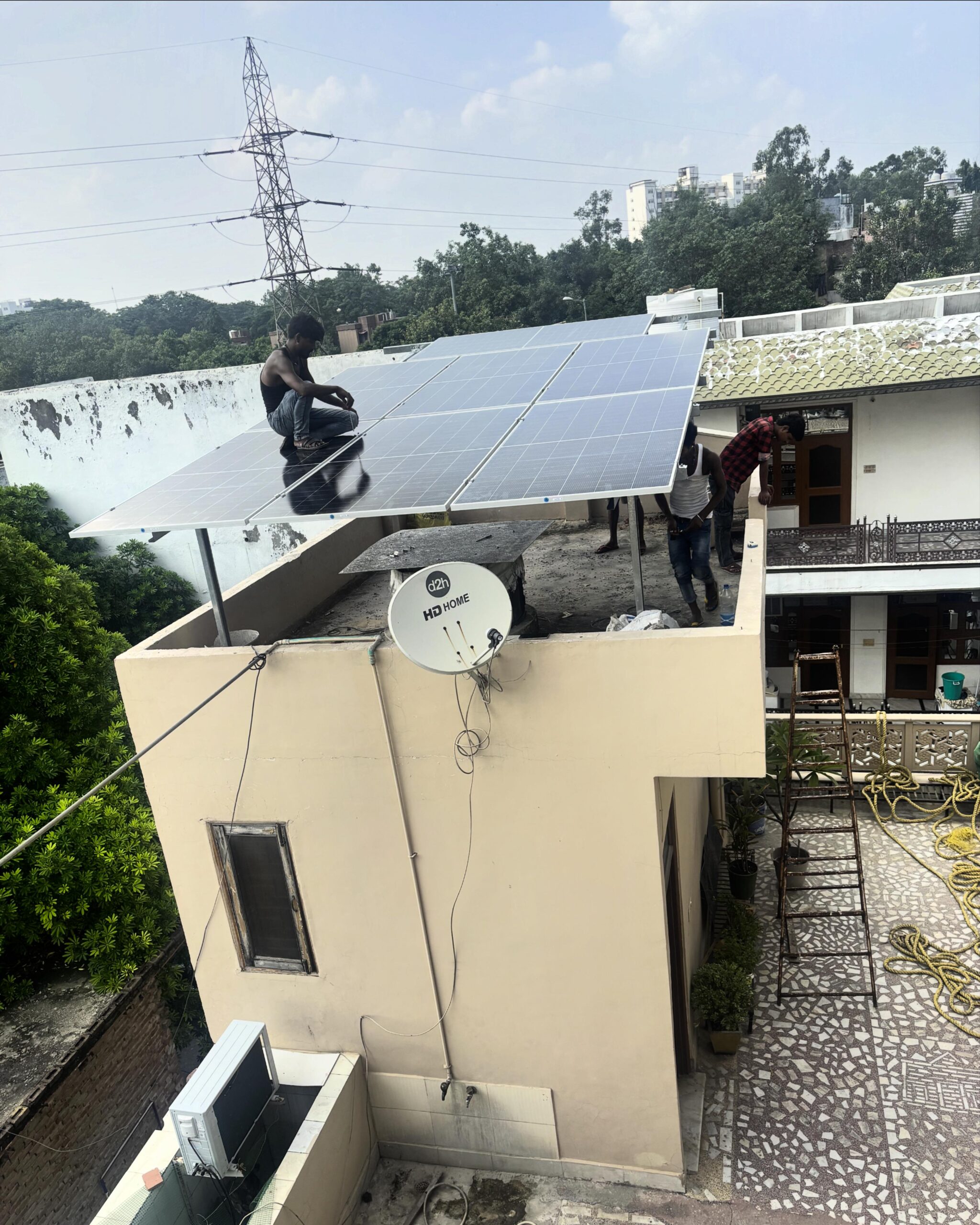
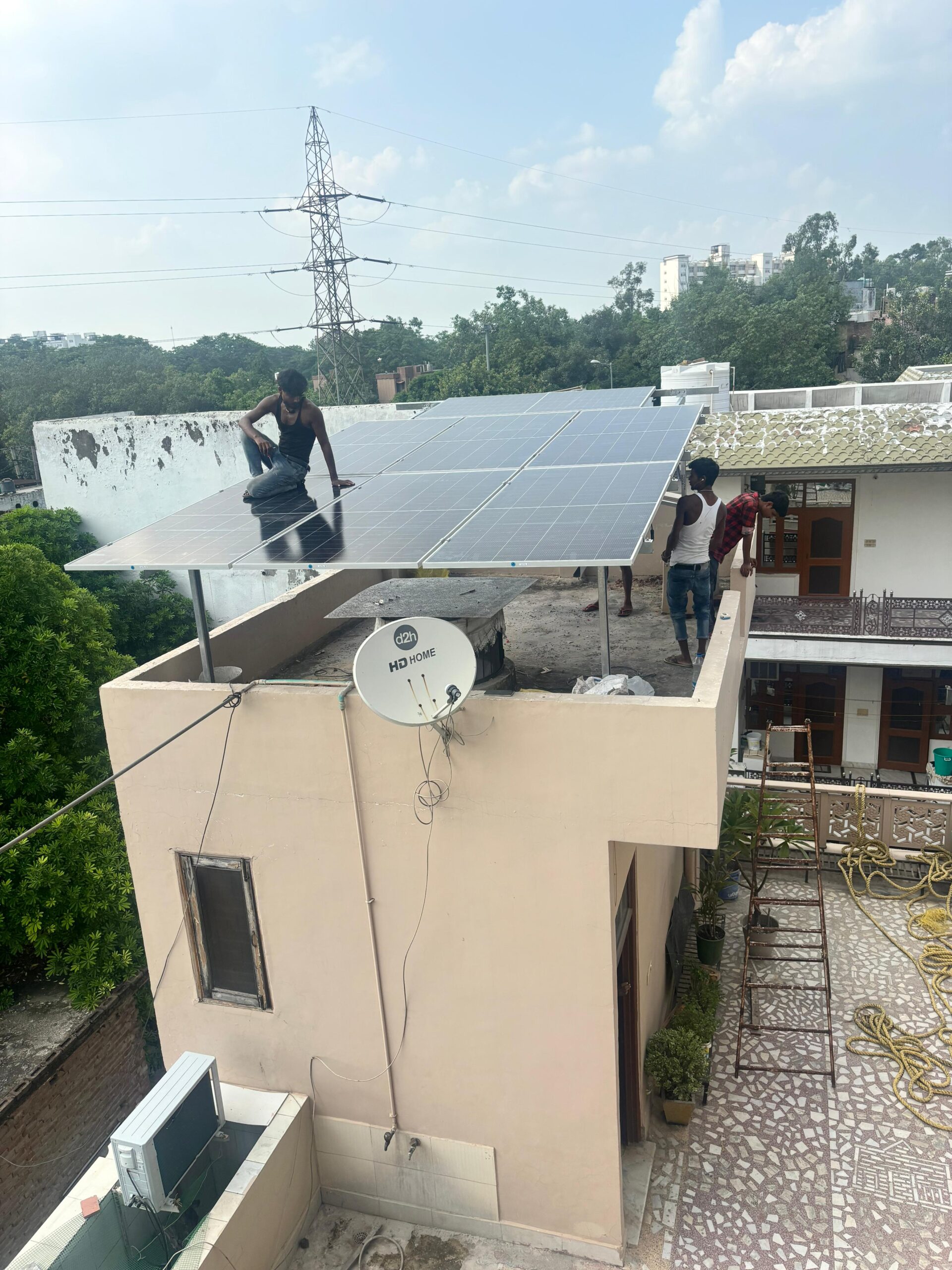
  1. Installation of on-grid rooftop solar systems for both homes and housing societies.
  2. Comprehensive after-installation maintenance and dedicated after-sales support.
  3. Flexible EMI options tailored to our customers’ needs.
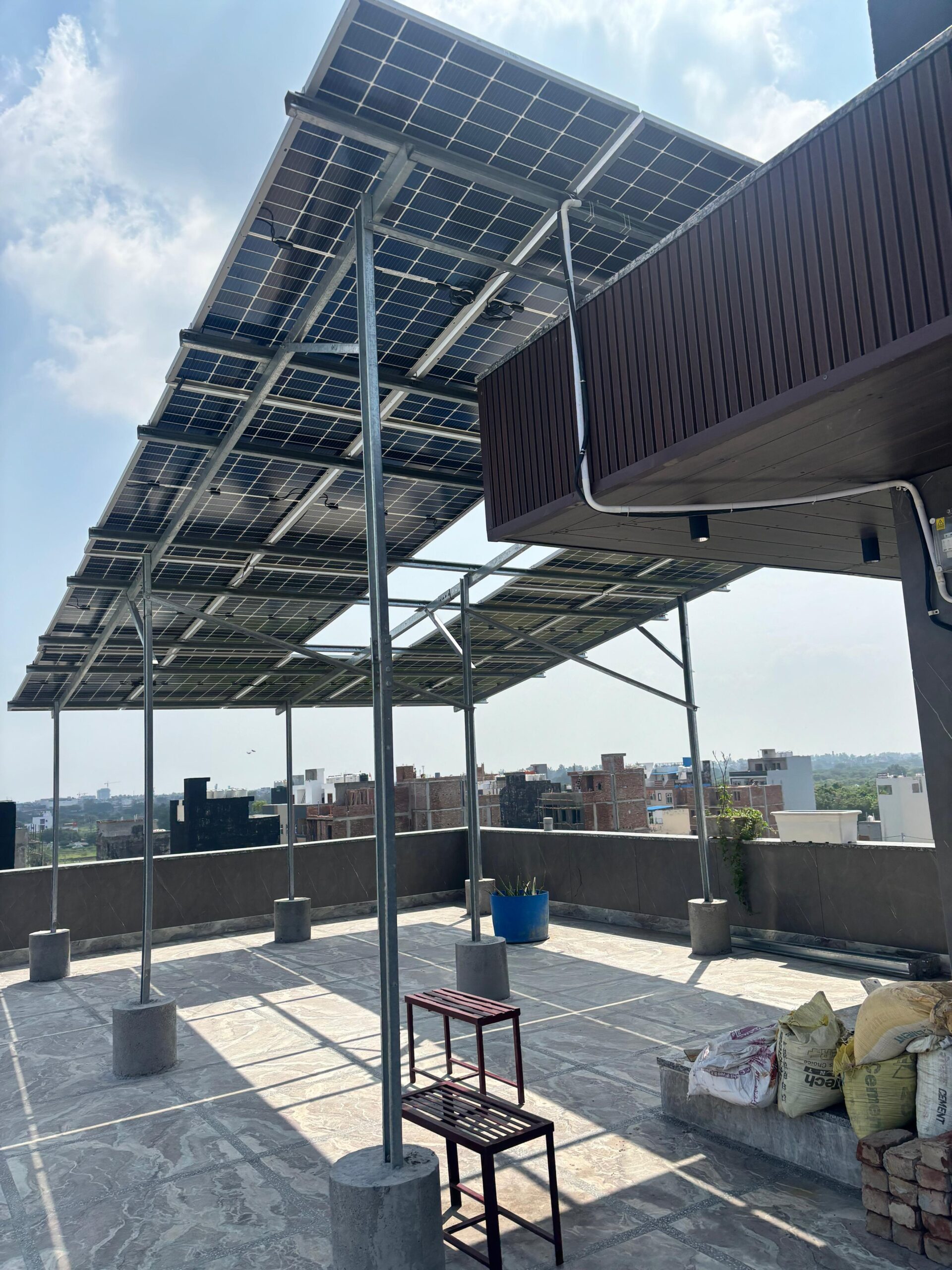
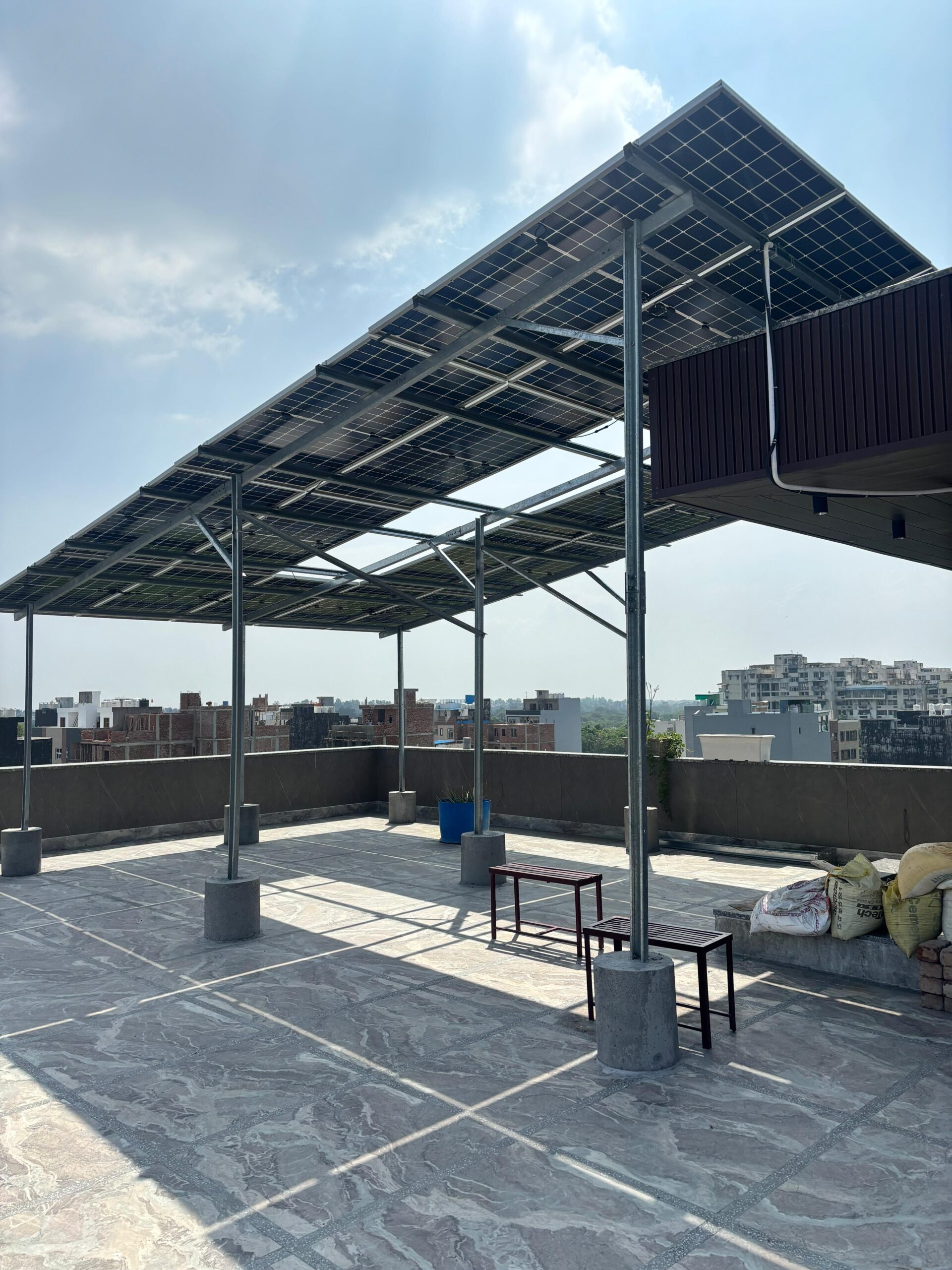
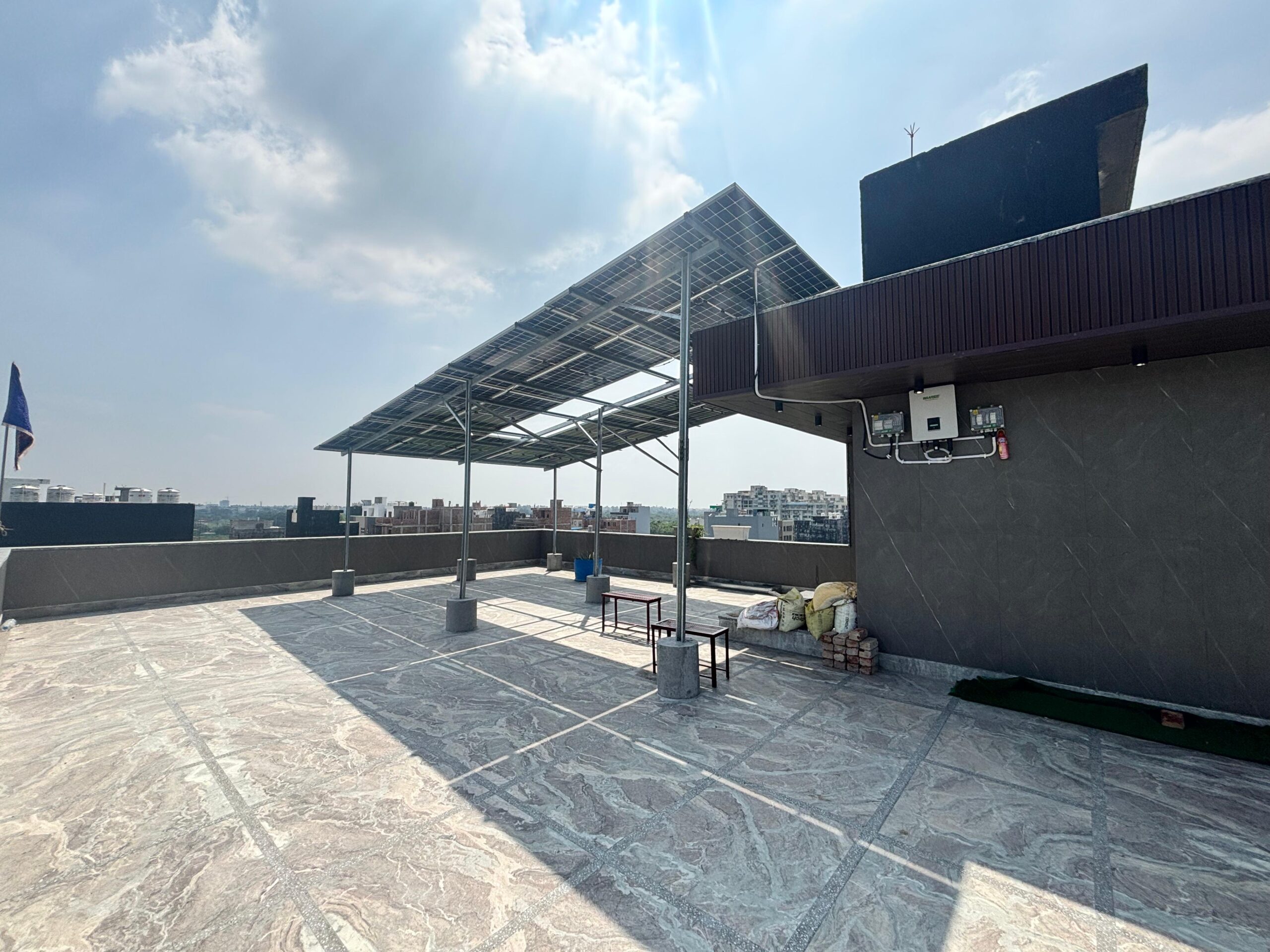
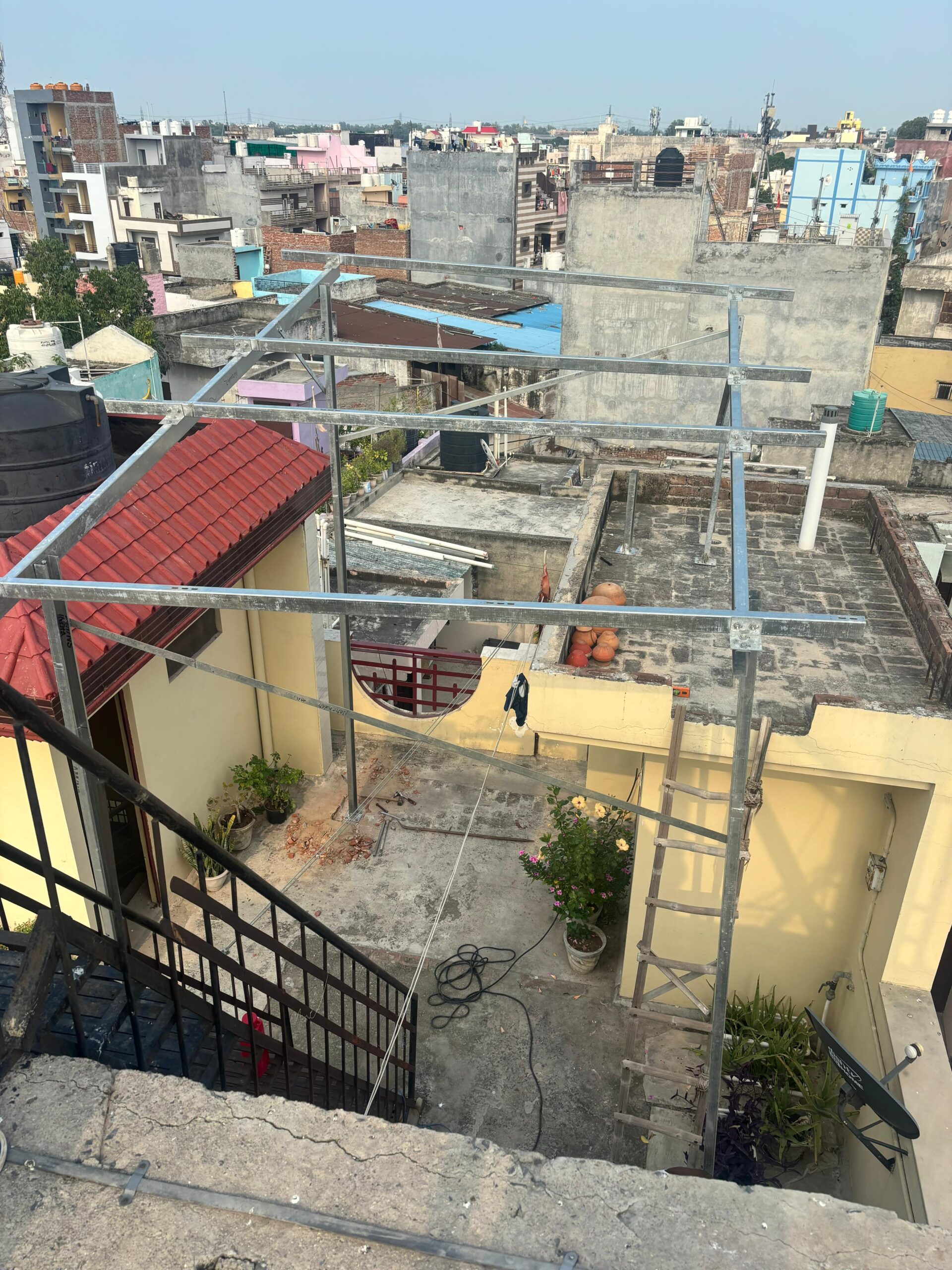
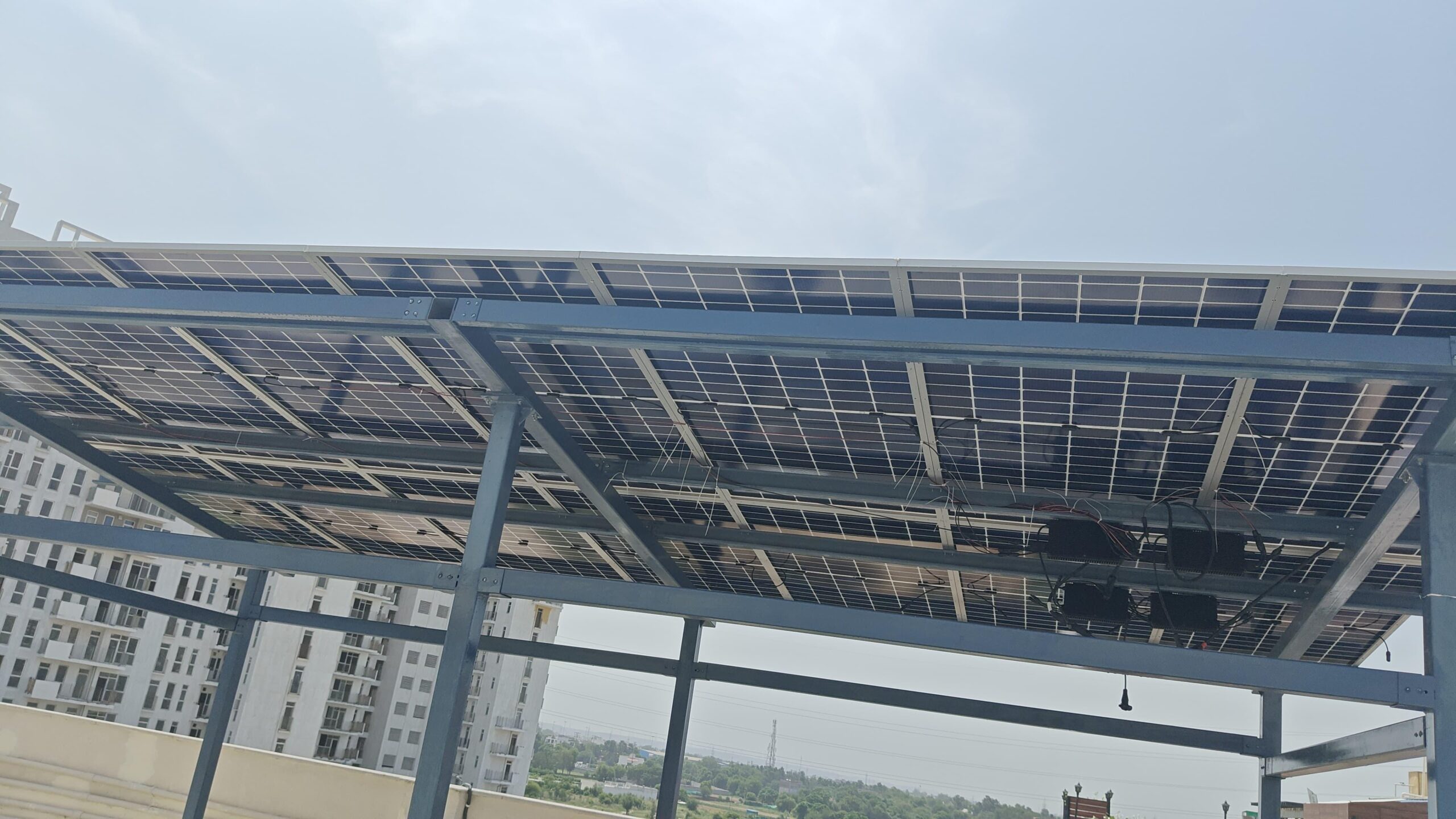
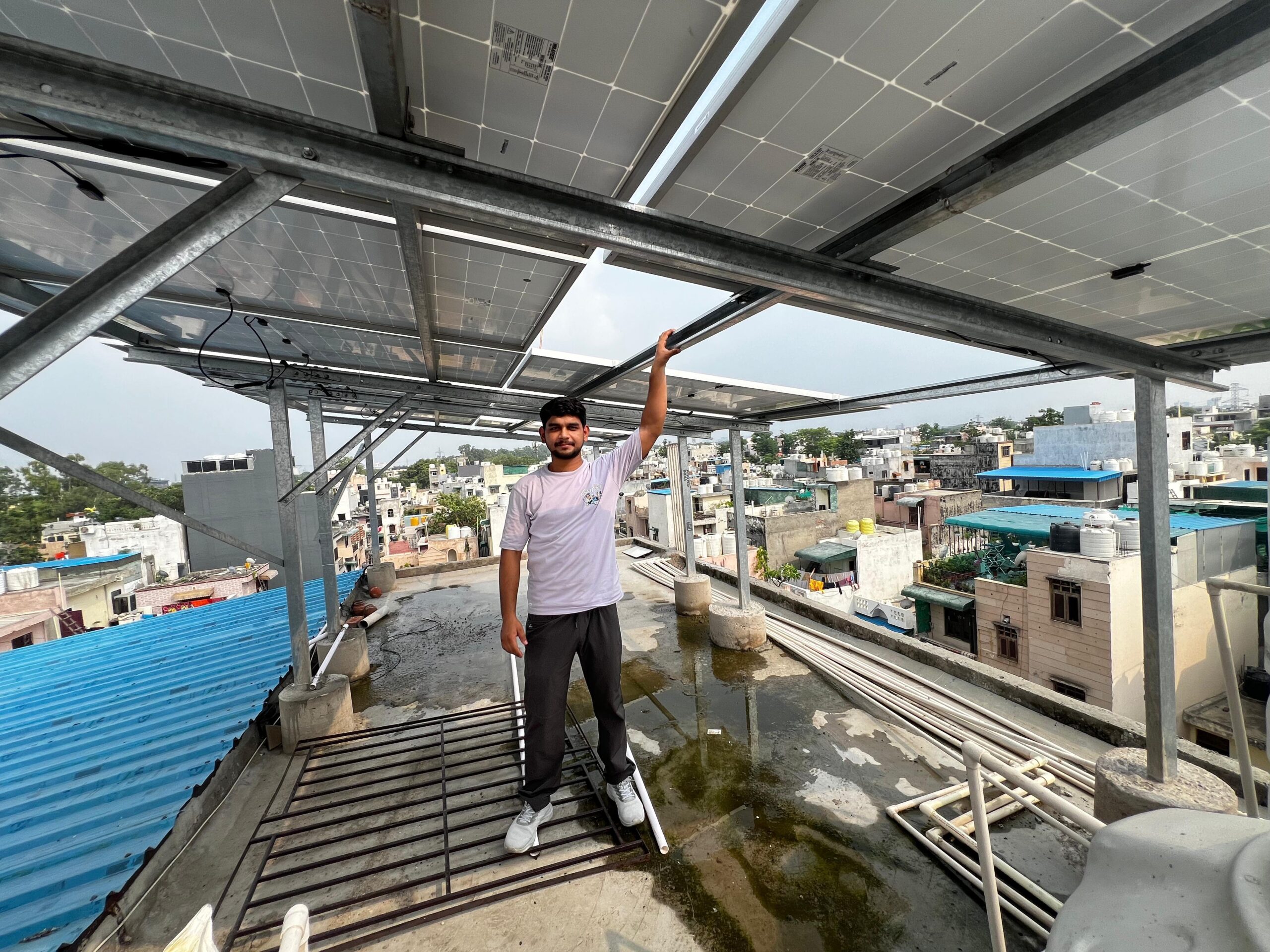
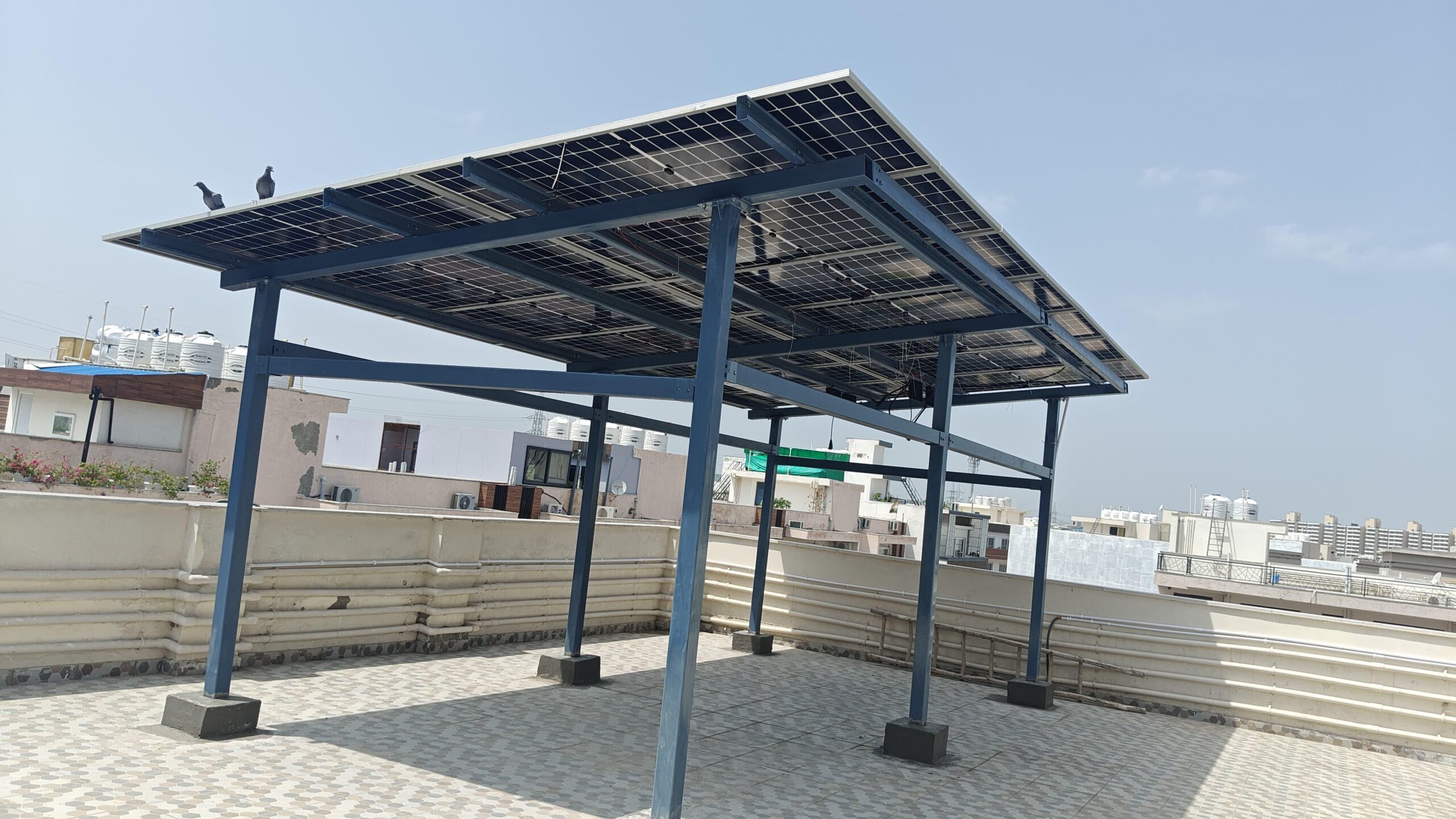
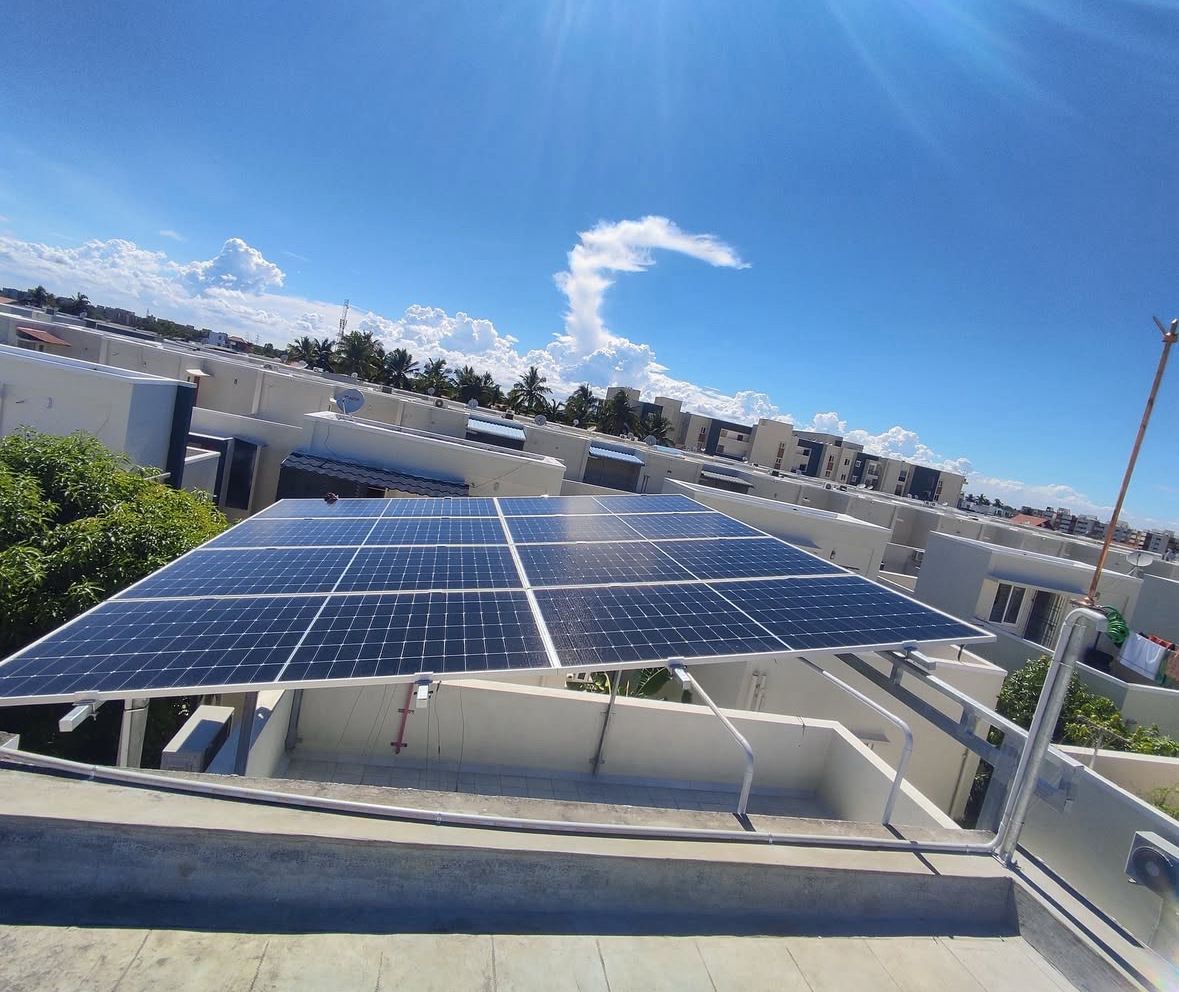
  4. Employment of robust prefabricated mounting structures to ensure long-lasting solar panel installations.

About Bhawanshu Sharma:

Bhawanshu Sharma is an visionary entrepreneur with a passion for renewable energy and sustainable development. Starting his journey with a small idea, Bhawanshu dedicated himself to promoting clean energy solutions that benefit both people and the planet. His leadership, strategic foresight, and unwavering commitment have driven Kilowatt Solar’s growth from a modest startup to a leading player in the solar industry.

With a focus on integrity and customer satisfaction, Bhawanshu’s goal is to expand the reach of solar energy across India, empowering communities to adopt greener, cost-effective energy alternatives. His efforts are rooted in a vision to create a cleaner, sustainable future for generations to come.

From humble beginnings, Bhawanshu Sharma bootstrapped Kilowatt Solar with a small vision that has now reached remarkable heights, serving clients in Delhi, Uttar Pradesh, and Haryana. We are gradually expanding our footprint, forging a path towards a sustainable energy legacy lasting a minimum of 25 years.

Hi there, I would like to tell you that that the last update with support of the Elementor plugin and additional elements for the ELEMENTOR is terrific! I was able to start a new project using this and make unique layouts in no time. Thank you for giving the ultimate comfort to your clients and hearing their requests! Judith Mckinney Seychelles
Hi there, I was able to start a new project using this and make unique layouts in no time. Thank you for giving the ultimate comfort to your clients and hearing their requests! I would like to tell you that that the last update with support of the Elementor plugin and additional elements for the ELEMENTOR is terrific! Judith Mckinney Seychelles

Frequently Asked Questions

  • General
  • Solar Maintenance
  • Solar Economics
What is SolarSquare?

SolarSquare designs and installs solar panel systems for homes, housing societies and businesses.

With a relentless commitment to innovation and excellence, we’re driving the Har Ghar Solar mission forward, one rooftop at a time.

Established in 2015 by a passionate trio of solar enthusiasts — Shreya Mishra, Neeraj Jain, and Nikhil Nahar — SolarSquare is India’s most trusted residential solar company. We believe in the power of solar to not only reduce carbon footprints but also to revolutionise the way we power our homes and businesses.

What is a solar rooftop system?

A solar rooftop system is a combination of many components that convert sunlight into usable electricity.

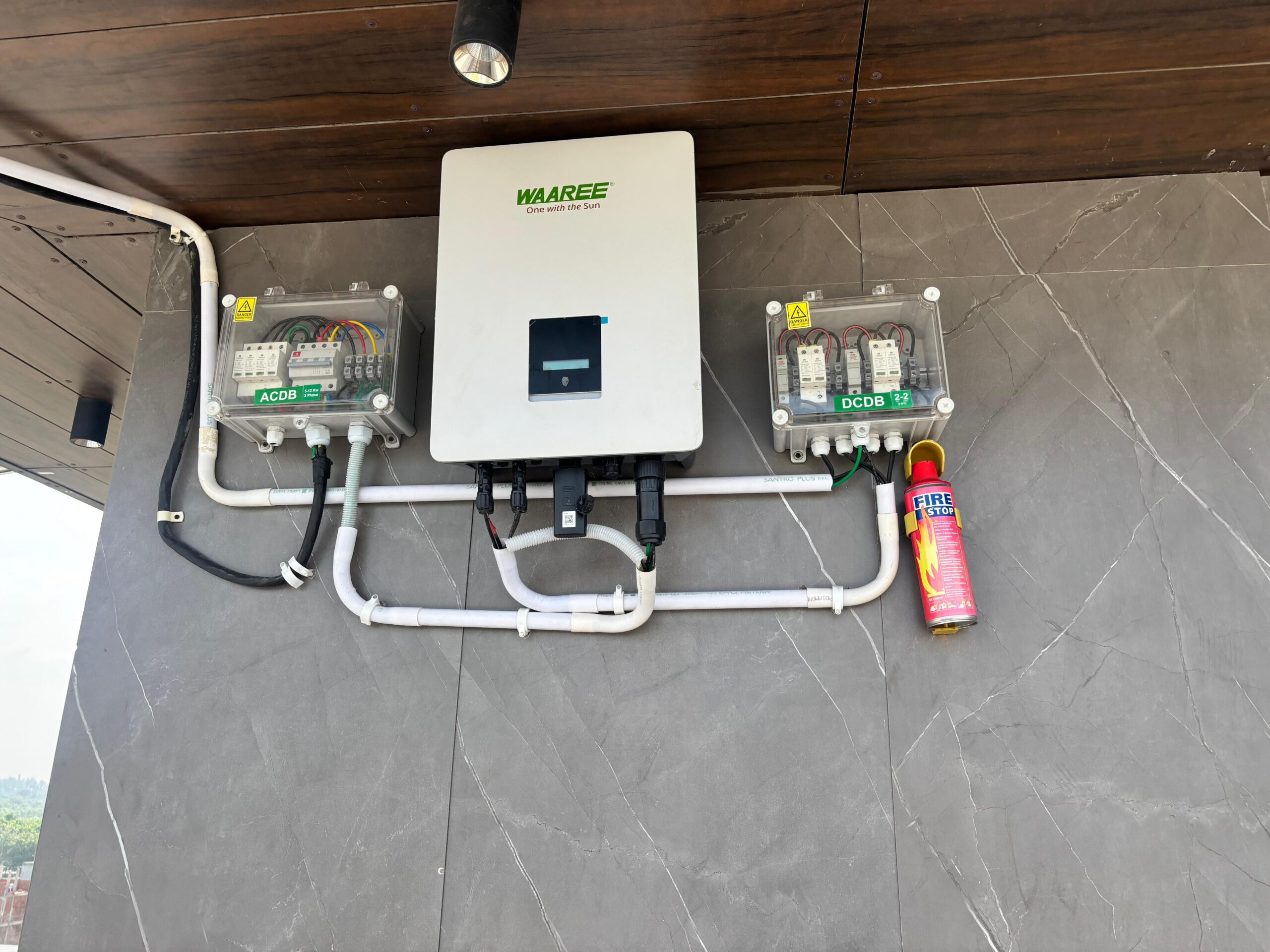
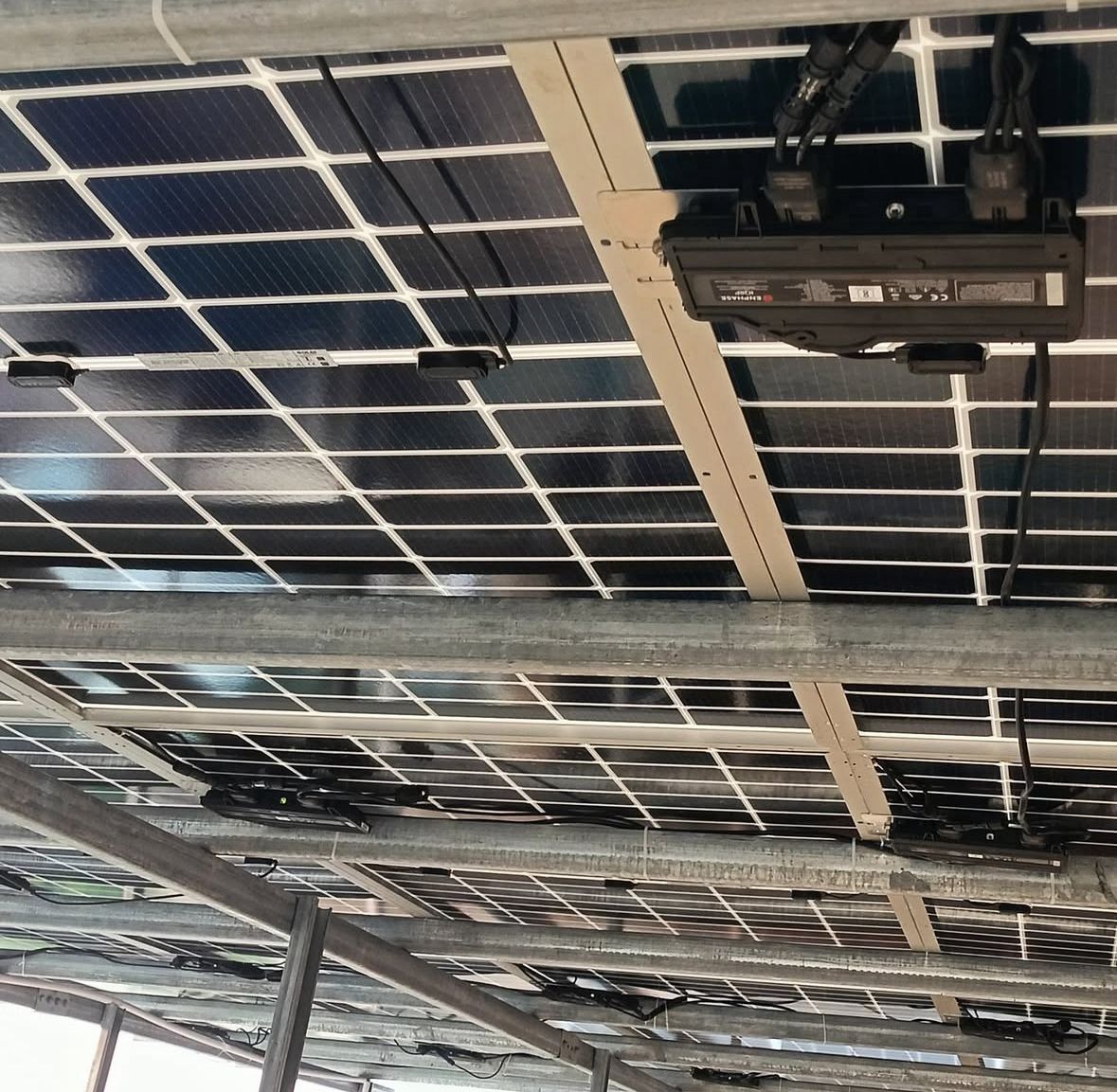
The components of a rooftop solar include the following –

  • Solar panels with PV cells
  • Solar inverter
  • Solar panel mounting structures
  • AC and DC cables
  • AC combiner box
  • DC combiner box
  • Earthing cables
  • MC4 connectors
How does a solar rooftop system work?

A solar rooftop system works on the concept of conversion of sunlight into electricity. The phenomenon is known as the photovoltaic effect.

When sunlight falls on the PV cells in a solar panel, the sunlight is converted into electricity. The generated power is DC current. An AC combiner box is used to convert that DC power into usable AC power.

The generated AC electricity is fed into a bidirectional meter that supplies power to the house. It also exports excess power to the DISCOM (grid) and imports power from the grid if electricity generated by the rooftop solar system is not enough to cover the daily requirement.

How to apply for a solar rooftop subsidy?

Under the DBT scheme, the subsidy application process has become much easier. Here’s a step-by-step breakdown:

  • Visit the National Portal for Rooftop Solar website.
  • Download the Sandes app from the website and install it.
  • Register as a customer on the Sandes app.
  • Once registered, a discom official will visit your home to assess technical feasibility.
  • After receiving the No Objection Certificate (NOC) from the official, choose SolarSquare as your solar installation company.
  • Discuss the project details with us and sign an agreement.
  • Upon receiving payment, we will commence the installation process.
  • We will then provide a work completion report and apply for a net meter installation on your behalf.
  • You will receive a commissioning certificate upon completion.
  • Submit your bank account information and upload a copy of a cancelled cheque through the National Portal for Rooftop Solar.
  • Once the fund handling agency receives your details, the subsidy will be credited to your bank account within 30 days.

By following these steps, you can smoothly complete the process and enjoy the benefits of solar energy.

What is the price of a solar system in India without a subsidy?

If you are planning to install solar for home or housing societies, the solar panel for home price list we’ve curated will greatly help you. Here’s the reference about the range of solar panels for home cost without a subsidy in India:

  • 2 kW rooftop solar system: ₹1,51,000 to ₹2,28,000
  • 4 kW rooftop solar system: ₹2,40,000 to ₹3,19,000
  • 7 kW rooftop solar system: ₹4,21,000 to ₹5,39,000
  • 3 kW rooftop solar system: ₹1,92,000 to ₹2,63,000
  • 5 kW rooftop solar system: ₹2,87,000 to ₹4,14,000
  • 10 kW rooftop solar system: ₹5,59,000 to ₹7,08,000
Why should I go solar?

If you want to save money from the sun, Solar is the best investment for you. Solar allows you to save on your monthly electric bills plus it also allows you to save the planet by going green. Solar energy is a true form of renewable clean energy which leads to zero pollution (air, noise, land) and emits no greenhouse gases mitigating climate change.

Is solar power safe?

Yes. The electricity produced by a solar power system is no different than the electricity you get from your electricity distribution company. The only difference is the source. Moreover, it is among the safest source of electricity consumption because it is neither hazardous nor does it release any toxic or harmful gases during production.

What do I need to install a rooftop solar system?

All you need to qualify for a solar system is – empty space on your roof and access to your rooftop. Just fill the project enquiry form on our website and our team will contact you to discuss your requirement. Once the project is finalised, we will take care of your entire plant design, installation and maintenance.

What are the different types of Solar systems?

There are 3 types of Solar systems depending on whether the plant is linked to the power grid or battery systems for storage.

  • On-grid solar systems use common solar inverters and are connected to the public electricity grid. Any excess solar power that you generate is exported to the electricity grid and one usually get paid a feed-in-tariff or credits for the energy you export. The policy for getting credits for energy exported to the credit is termed as “Net-Metering Policy” and is available currently in most states of India.
  • Off-grid solar systems are not connected to the electricity grid and therefore requires battery storage. An off-grid solar system must be designed appropriately so that it will generate enough power throughout the year and have enough battery capacity to meet the home’s requirements, even in the depths of winter when there is less sunlight.
  • Hybrid solar systems combines solar and battery storage in one and are now available in many different forms and configurations. This means being able to store solar energy that is generated during the day and using it at night. When the stored energy is depleted, the grid is there as backup, allowing consumers to have the best of both worlds.
Do solar panels generate electricity even during monsoon and winter?

Yes, Solar panels do produce electricity in cloudy or rainy weather albeit with reduced efficiency. This fall in production is considered in the unit generation estimates provided for every project.

Does a rooftop solar PV generate power during a power failure?

No, rooftop solar PV does not function or generate electricity during a blackout due to safety reasons. Since blackouts occur when the electricity grid is damaged. If a solar inverter was still feeding electricity into a damaged grid it would risk the safety of the people repairing the fault in the network. SolarSquare Energy provides the option of using a Li-ion storage battery with Solar power plants for areas which suffer from frequent power failures. This battery unit can store the excess electricity produced during the day and acts as a backup for any electricity requirement during night or in the event of a power failure.

How much electricity does a solar plant produce?

The production level of a solar plant depends on multiple factors like radiation levels, amount of sunlight received, plant design and quality of components. On an average, 1 kW solar plant produces 4 units of electricity per day.

What kind of appliances can I use on Solar Power?

Solar Power plants are used to power all types of heavy machinery in industrial plants as well as household electrical and electronic appliances. Since the electricity produced from the plant is fed in sync with your grid/diesel generator, there are no voltage fluctuations irrespective of the number of appliances you use.

How do I decide what size of plant I need?

The size of your Solar plant depends on the following factors

  • Your electricity consumption pattern
  • Available shadow free area
  • Solar irradiation in your area

Once you enlist your interest in a solar project, SolarSquare conducts a scientific mapping of the appropriate project size for you.

What is Net metering?

Net Metering is a system that gives solar energy owners credits for the power that they add to the grid. When solar panels produce excess power, that power is sent to the grid. And this power can be ‘taken back’ when the solar plants are not functioning – example, during the night. When a unit of solar energy that has been ‘net metered’, the bi-directional electricity meter will run backwards. Customers are billed only for the ‘net’ energy use.

What is the life of a rooftop solar system?

The Solar Plant life is 25 years. The main components are solar panels and inverters. Solar panels have a warranty of 25 years and inverter warranty ranges from 5-12 years.

Do Solar Rooftop projects have a high maintenance cost?

A Solar Rooftop module comprises minimal moving parts and hence has very low maintenance cost. SolarSquare Energy provides first 5-year maintenance free of cost to clients ensuring a hassle free experience for all our customers.

Can Solar projects damage my roof?

SolarSquare Energy has a UL certification (one of the highest quality and safety standards in the world) and ensures that no damage to the existing structures takes place during the installation or running of the solar plant. We use a multitude of techniques like non-penetrating structures and waterproofing solutions to ensure your roof’s integrity.

Do I need to clean my Solar plant?

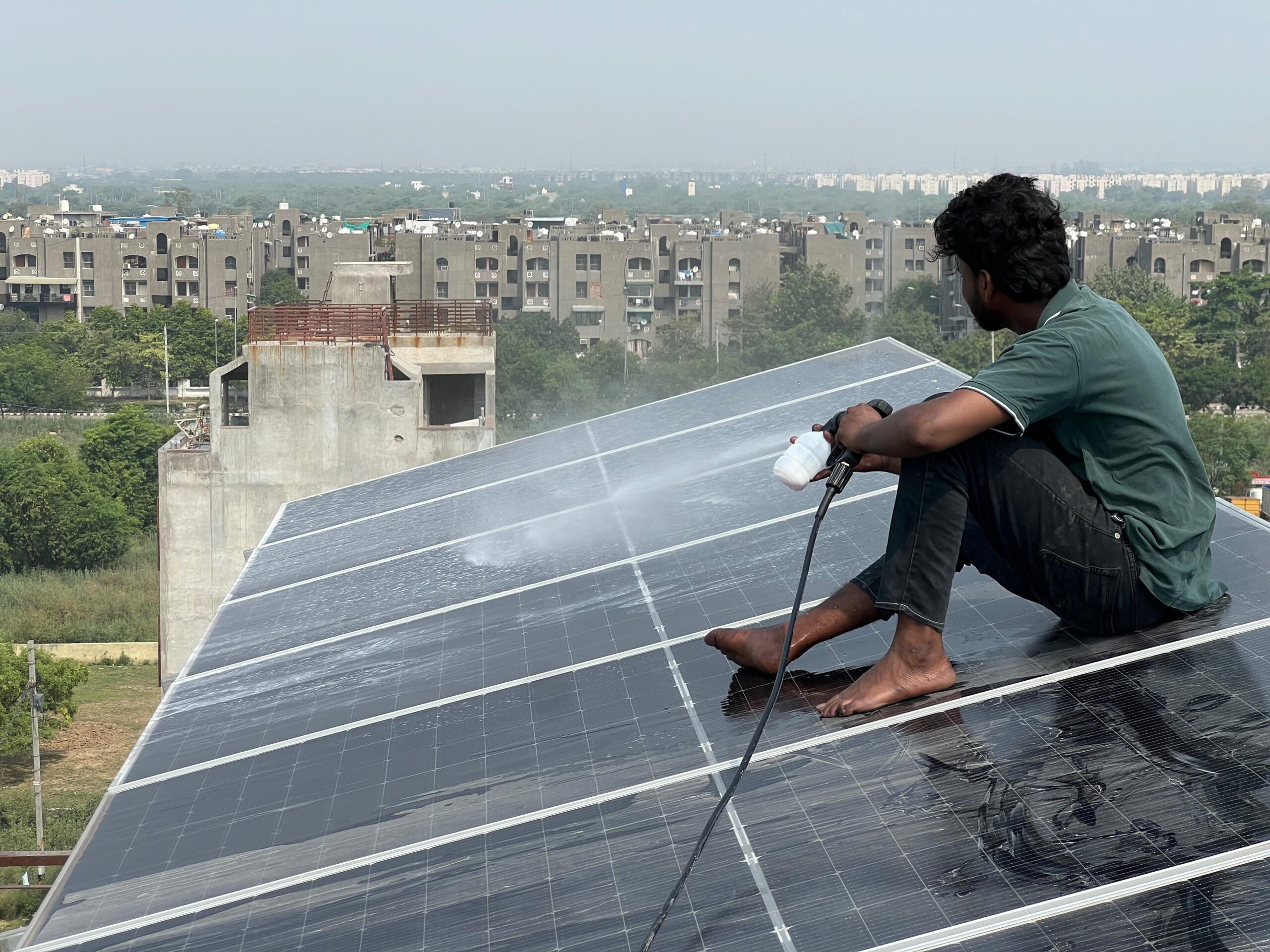
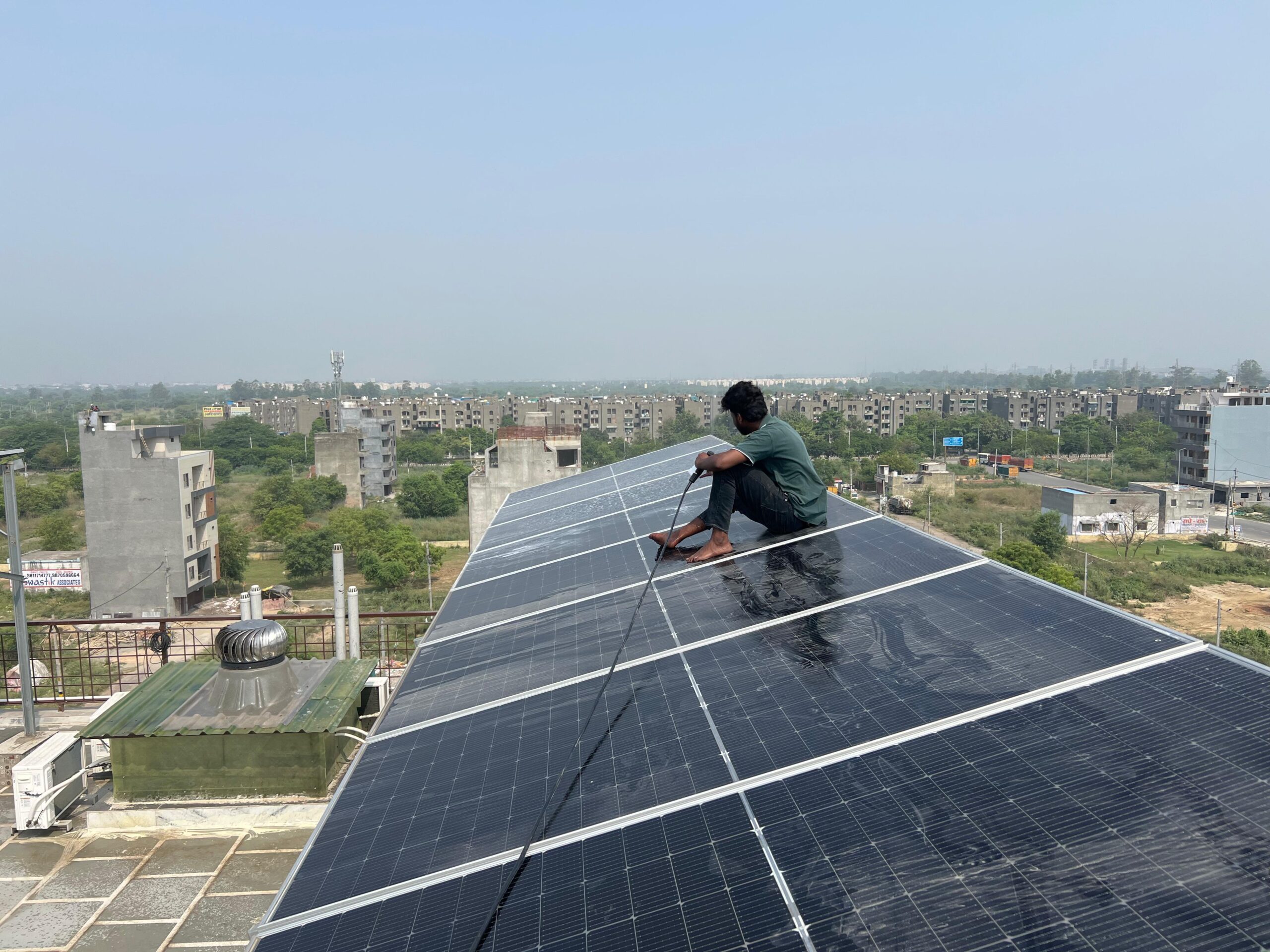
It is a good practice to clean the solar panels 1-2 times a month. It is safer to clean the panels early in the morning or at night when no incident sun rays are present and the power plant is not producing any electricity. You can simply use a clean wet cloth, soft nylon brush or sponge to wipe the surface but ensure the panels are clear of any moisture. Don’t use metal brushes or detergents as these may streak the glass of the panel.

My roof is not made of concrete; can I still install a Solar Project?

Solar power plants can be installed on almost any type of roofs irrespective of their shape or material type. In cases where the construction material is brittle (Asbestos) or the roof integrity is compromised, SolarSquare Energy provides roof replacement solutions as part of the solar rooftop project.

How much does a solar Plant cost?

The cost of a solar plant depends on its size, configuration and degree of supporting structures required. We provide you multiple options to choose from, designed specifically to meet your requirements.

What is the break-even period for Solar rooftop projects?

Rooftop solar projects are among the most lucrative investments for industrial, commercial and residential projects. The breakeven is achieved in 2-4 years itself, while you enjoy savings for the project life of 25 years.

Are there any subsidies provided by the government for solar projects?

There are no subsidies available for commercial entities. For residential rooftop solar projects, subsidies are released by the government within 30 days. Whenever a subsidy is applicable, SolarSquare assists you throughout the entire process—from application to disbursement—ensuring you receive the subsidy amount. The various slabs of subsidy are –

SegmentSolar Project sizeSubsidy
Individual house1kW₹30,000/-
Individual house2kW₹60,000/-
Individual houseAbove 3kW₹78,000/-
Group Housing Societies/Residential Welfare Associations Rs 18,000/kw

At present, the Uttar Pradesh state government provides an additional solar subsidy of ₹15,000 per kw (max ₹30,000) when you install a rooftop solar system, bringing the total maximum subsidy amount to ₹1,08,000.

How do I avail subsidy provided by the Madhya Pradesh government?

SolarSquare Energy provides the subsidy upfront as a direct discount to the consumers to ensure a hassle free experience.

What is the difference between CapEx and OpEx models?

In a Capex model, the entire investment comes from the power consumer. The consumer hires a solar EPC company who provides turnkey installation of the entire solar power system and hands over assets to consumers. EPC also does annual operation and maintenance (O&M) of plant. In the OPEX model, an investor or project developer (sometimes called Renewable Energy Service Company –RESCO) invests the CAPEX and the consumer pays for the energy consumed. Both consumer and developer sign a long-term power purchase agreement (PPA) for an agreed tenure & tariff.

Are financing options available for Solar Rooftop projects?

SolarSquare Energy provides lucrative EMI options while also facilitating collateral free loan facilities provided by various banking institutions for solar projects.

Discover Our Blog

There are many variation of passage of lorem availability humour randomised slightly believable.

23 Sep
Read more

Winds of Change in the Turbines Service Industries

September 23, 2021 0
On the other hand, we denounce with righteous indignation and dislike men who are so beguiled and demoralized by the charms of pleasu of the...

KilloWatt's Gallery!

Icon

Leading Energy Provider
Facts & Projects.

These cases are perfectly simple and easy to distinguish in a free hour when our power off choices isuntrammelled and when nothing preventing being able do what we like frequently .
75
Solar Panels
82
Wind Turbines
64
Hybrid Energy
15000+

Installed Capacity

1950MV

Renewable Energy

2999+

Satisfied People

Pricing Structure

Ecotech redefines your relationship with energy. Save money. Minimize your carbon footprint.

Residential Area

$6.99Per Watt
  • ✔️ Minimal Energy
  • ✔️ High Density Cells
  • ✔️ Density Cells
  • Environmental Friendly
  • Monitoring & Maintenance
Get Started

Commercial Area

$7.99Per Watt
  • ✔️ Minimal Energy
  • ✔️ High Density Cells
  • ✔️ Density Cells
  • ✔️ Environmental Friendly
  • Monitoring & Maintenance
Get Started

Commercial Area

$8.99Per Watt
  • ✔️ Minimal Energy
  • ✔️ High Density Cells
  • ✔️ Density Cells
  • ✔️ Environmental Friendly
  • ✔️ Monitoring & Maintenance
Get Started
Image gallery marquee

Support & Email

team.kwsolar@gmail.com

Customer Support

+917982444915

Our Location

Kh. No. 256, Gali No. 4, Prahlad Vihar, Near Sec - 25, Rohini, Delhi, 110042

Facebook Twitter Instagram Youtube Telegram

Quick Links

    • Our Presence

    • Blog

    • Solar Pro

    • Careers

    • Webinars

Our Solutions

    • Homes

    • Commercial

    • Housing Society

Solar Solutions

    • Off-Grid Solar

    • On Grid Solar

Copyright © 2025. Kilowattsolar All rights reserved. Developed by – NexGen Marketing